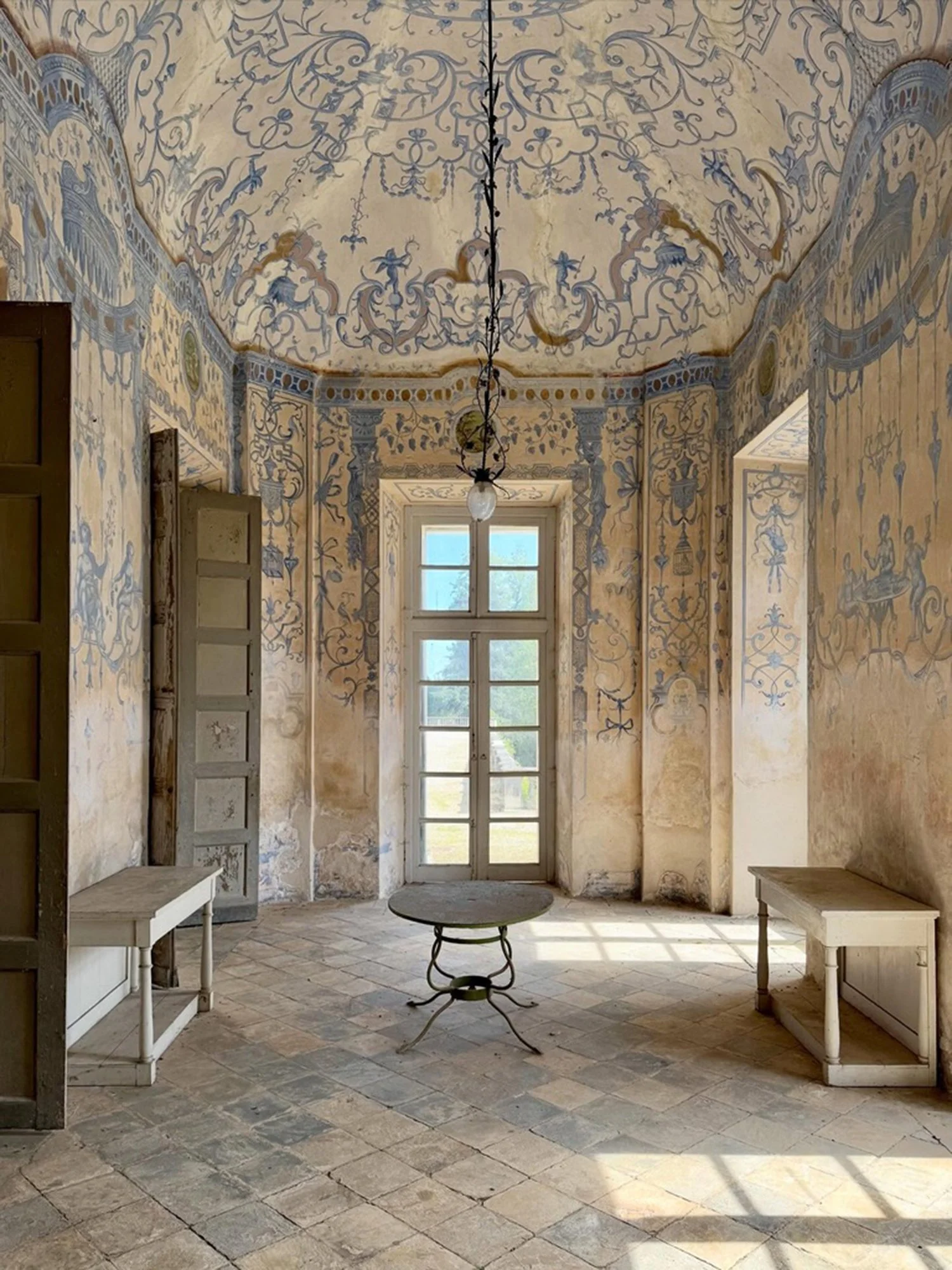
Castello Ducale di Agliè, Agliè, Piedmont, Italy 17th–19th Centuries
Blue-gray painted birds, garlands and chinoiserie figures extend across the walls and vaulted ceiling of a garden-facing room in the castle, acquired by the House of Savoy in 1764
Photo — @paolo_abate
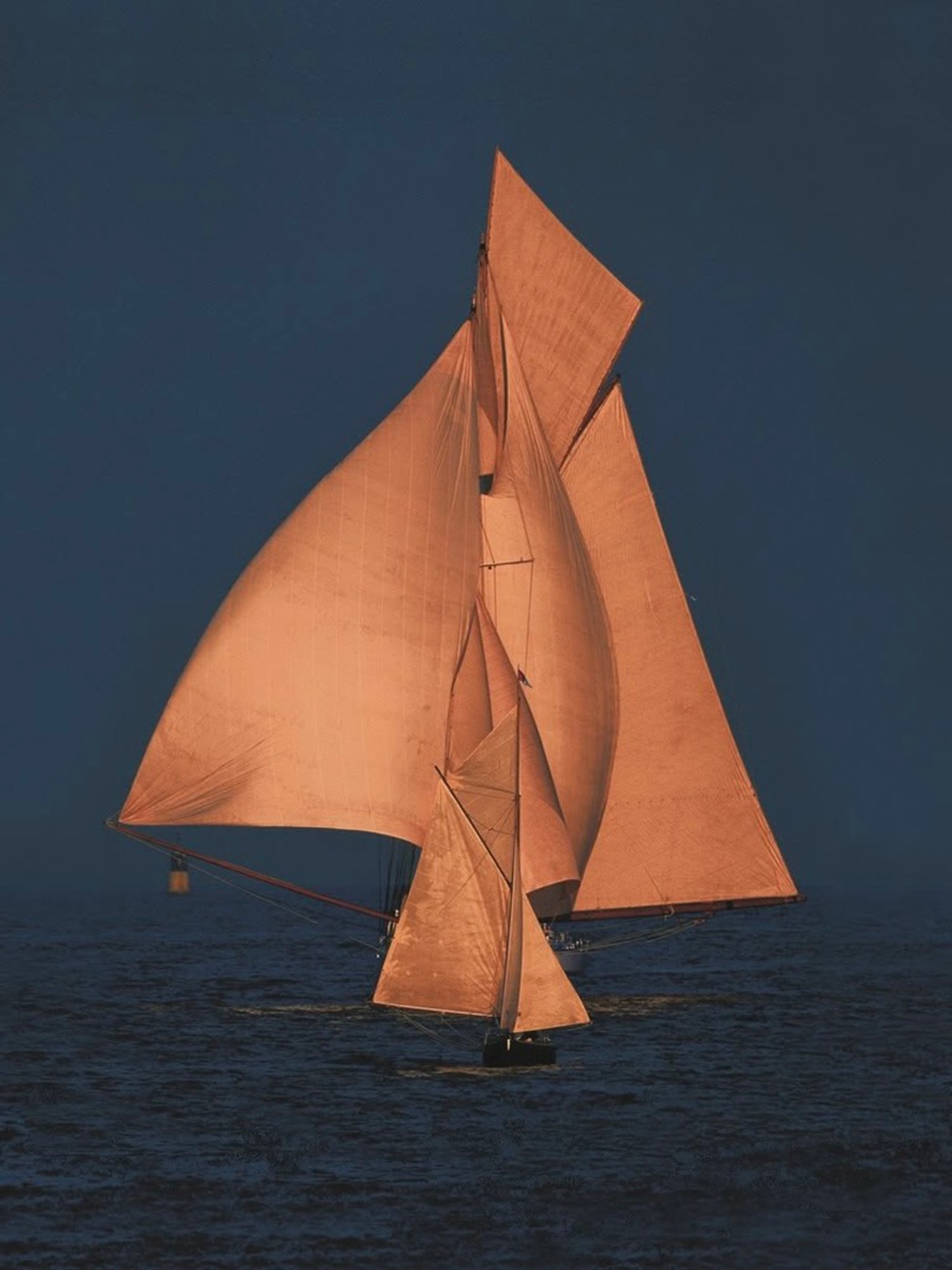
Simmetria, Saint-Tropez, France 1991
Two classic yachts photographed during La Nioulargue, with the smaller vessel directly ahead of the larger yacht and their overlapping sails catching the sunlight
Photo — Franco Pace
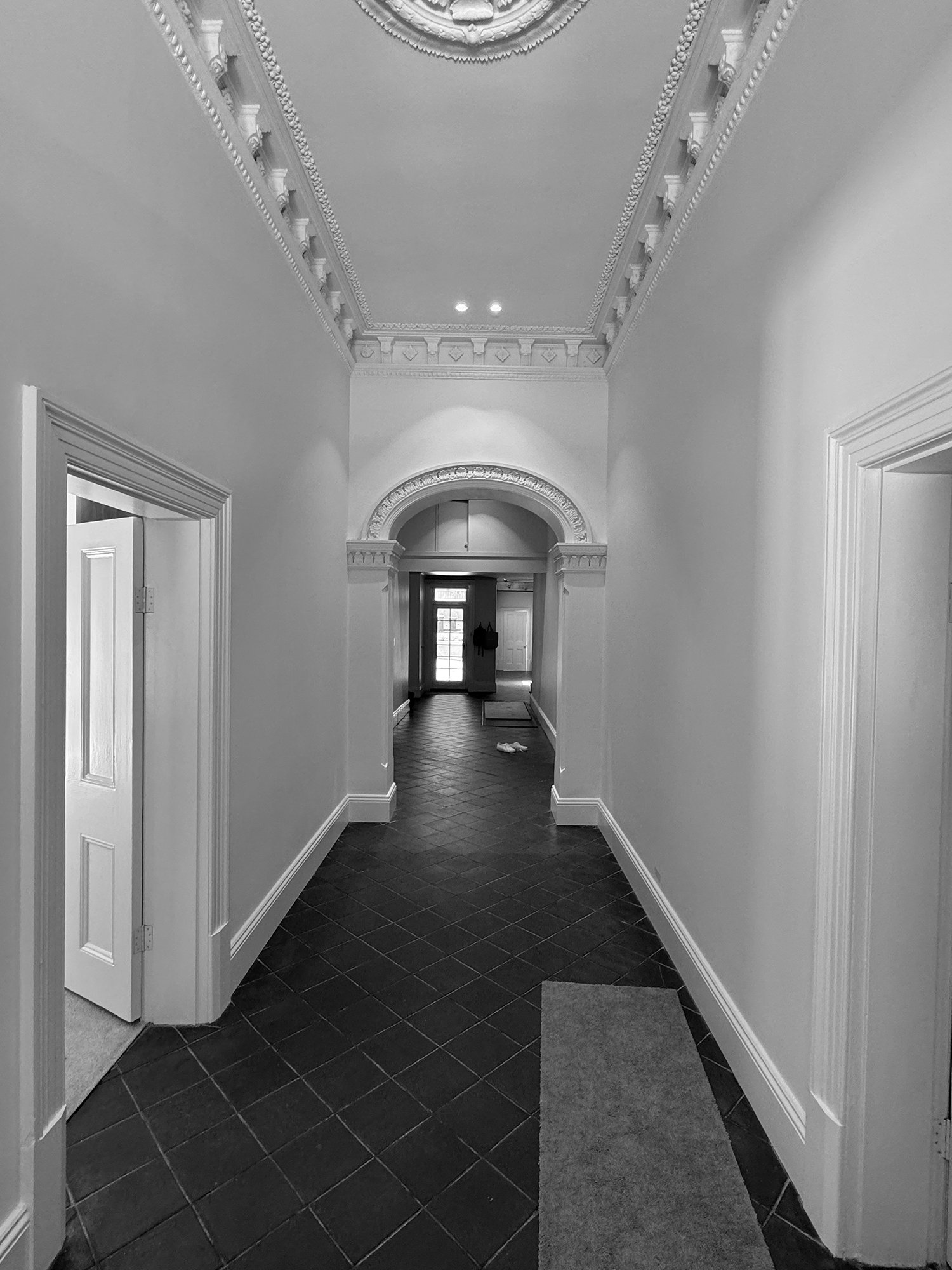
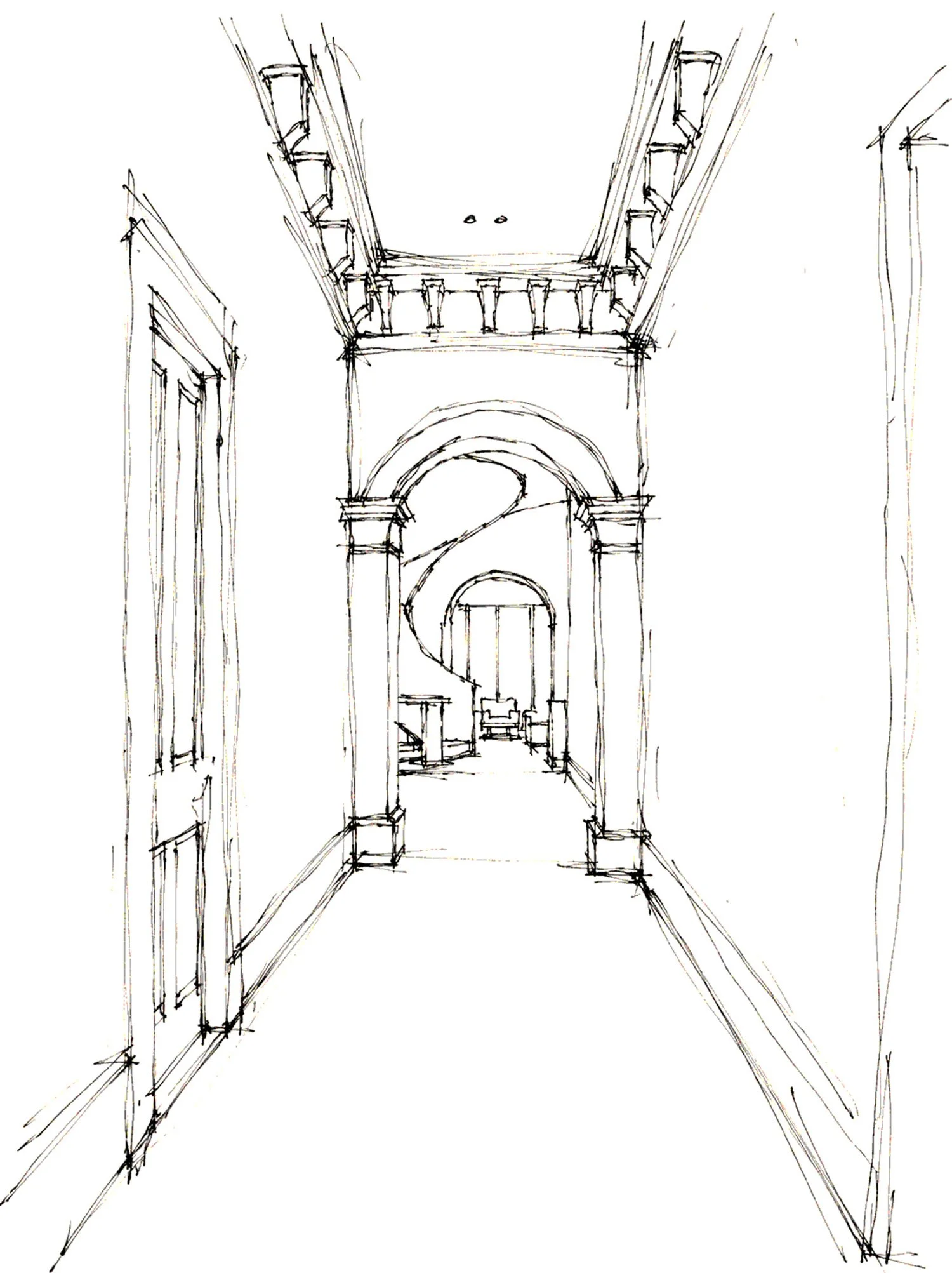
Studio Lowsheen
Sydney, 2017 — Present
Cultural Editorial
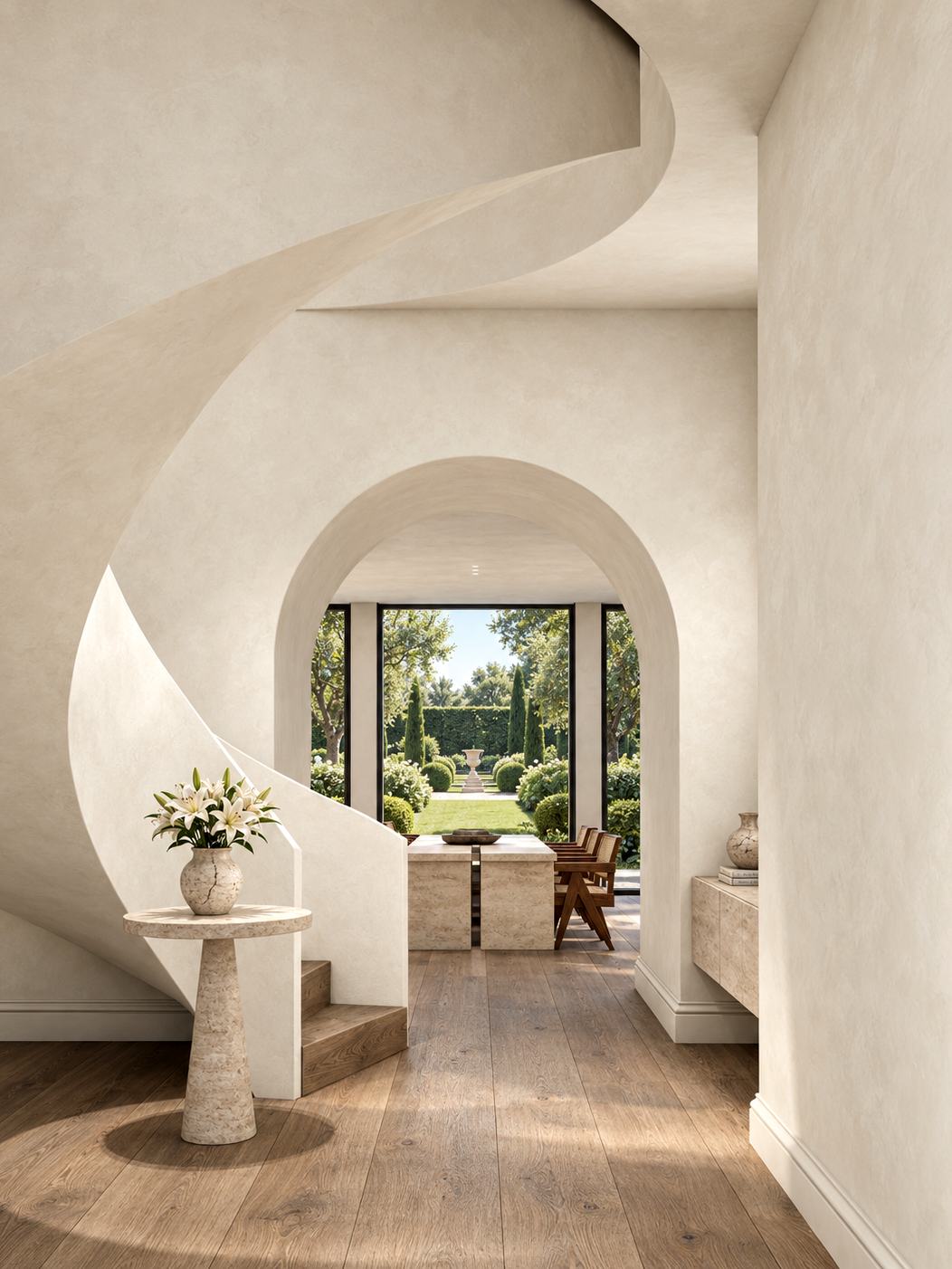
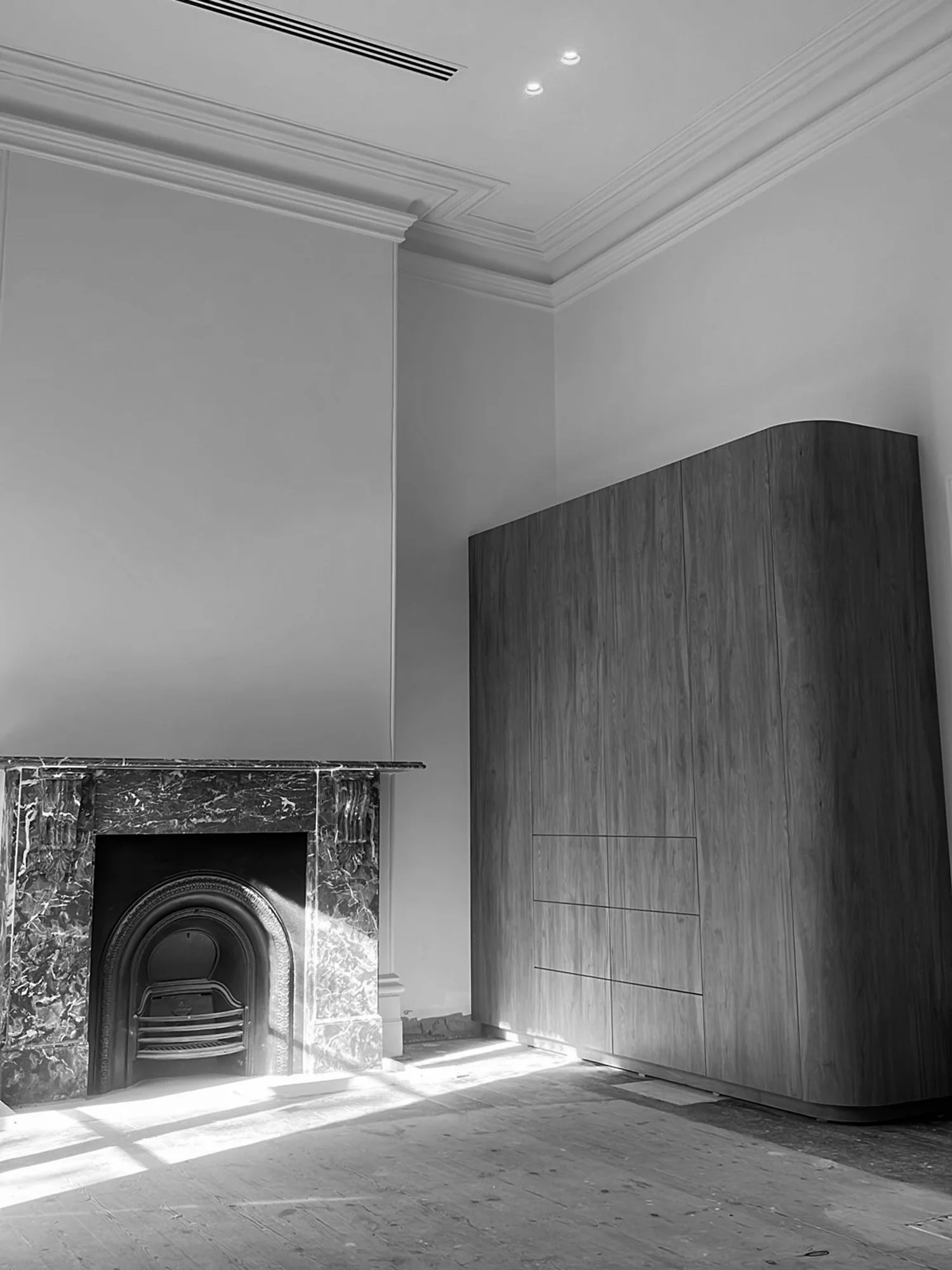
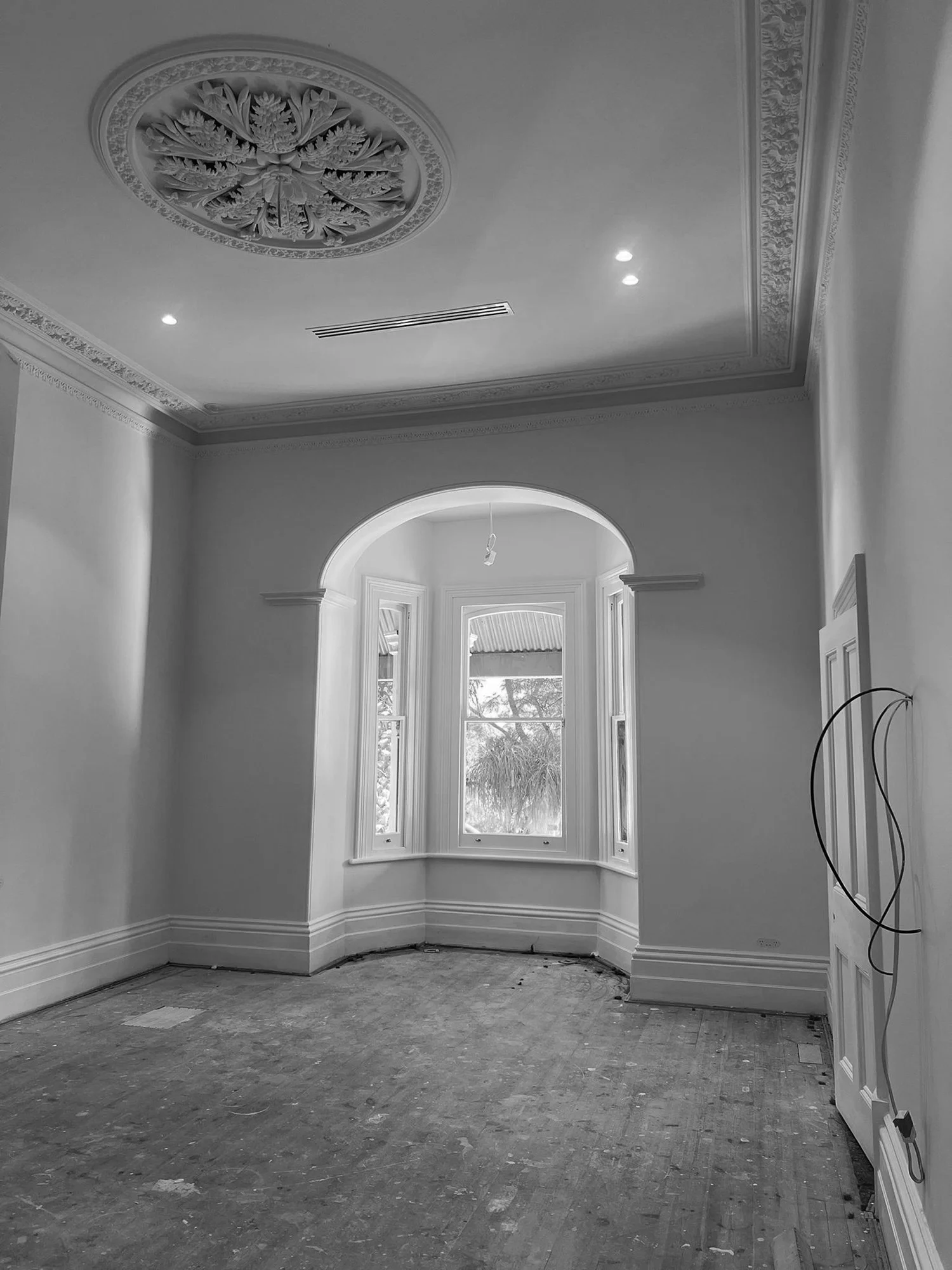
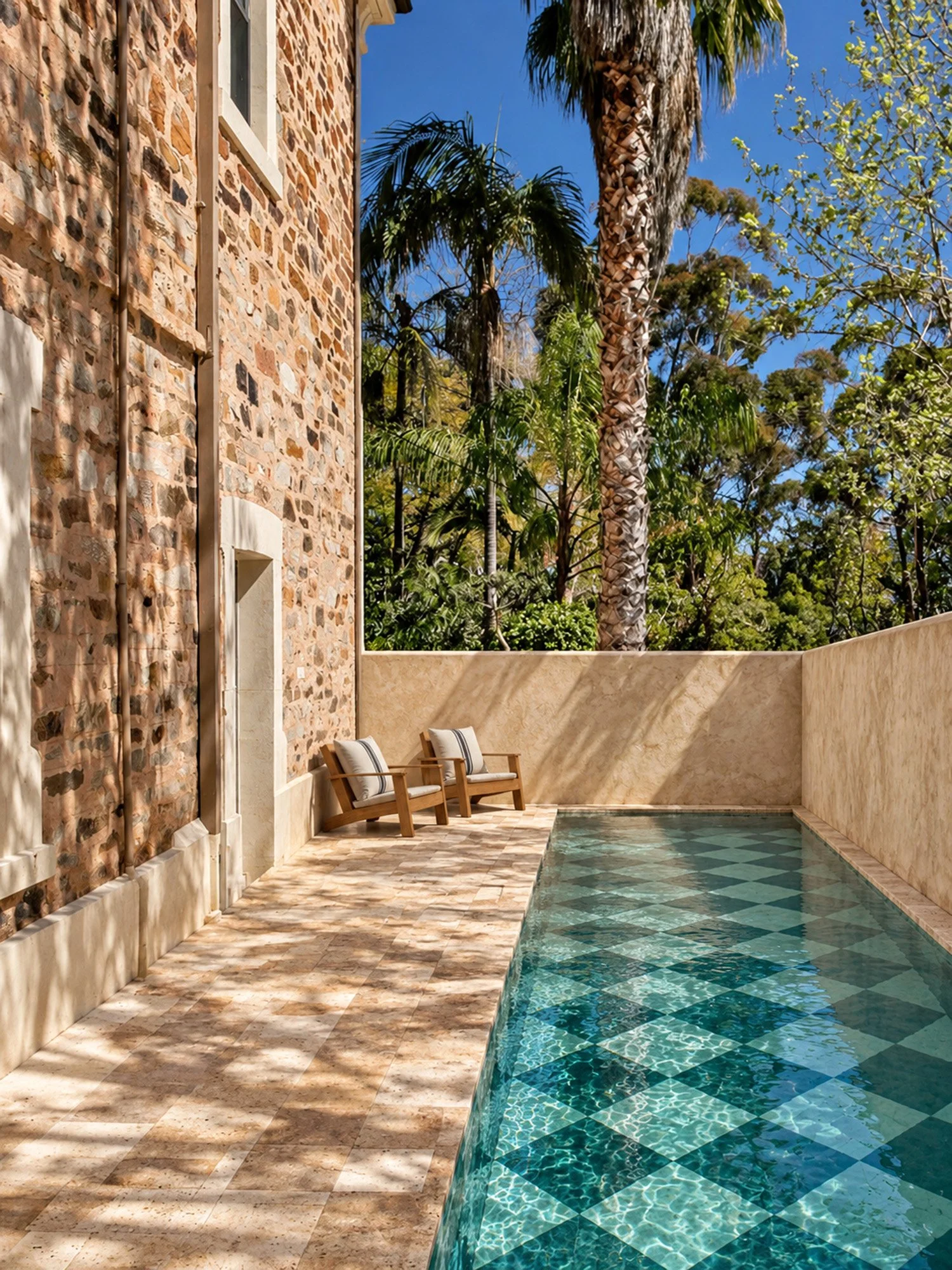
An ancient Egyptian temple, the fading frescoes of an Italian palazzo and the restrained interior of a contemporary residence might appear within a few pages of one another. Their historical and geographical differences are considerable, yet within Studio Lowsheen, such unexpected associations are precisely the point. Architecture, art and objects are considered across centuries, without the customary separation of periods or disciplines, allowing relationships of material, proportion and atmosphere to emerge.
Established by designer Brent Lee, Studio Lowsheen has developed over the past decade into an independent international editorial platform devoted to architecture, art and design. What began as an individual publishing pursuit has grown into an extensive collection of visual and written editorials, encompassing historic estates, private residences, hotels, museums, galleries, archaeological sites and works of art. Its subjects may be separated by thousands of years, but they share an underlying interest in craftsmanship, cultural memory and the enduring relationship between people and the objects and environments they inhabit.
The editorial approach is deliberately unconstrained by chronology. A Roman mosaic submerged beneath water might find an unexpected affinity with the reflections of a Venetian palazzo, while the weathered surfaces of an ancient sculpture can appear remarkably contemporary alongside contemporary collectible design. Rather than organizing these subjects into a conventional historical narrative, Lowsheen considers how certain ideas about beauty, material and form continue to reappear in different places and periods.
Throughout its development, Lee has remained responsible for the platform's editorial direction, shaping its visual identity and distinctive perspective through sustained research, writing and image selection. Over ten years, this independently developed undertaking has attracted an international Instagram audience of approximately 174,000, extending its reach well beyond the traditional boundaries of a specialist art and architecture publication.
Although distinct from Lee's residential interiors and collectible design, Studio Lowsheen shares an underlying fascination with the relationships between architecture, art and material culture. Its inclusion within his wider body of work reflects another expression of the same authorship, one developed not through physical spaces or objects, but through considerable time of observation, research and editorial judgment.
What has emerged is more than a visual archive. Studio Lowsheen represents an ongoing investigation into how different periods of human expression speak to one another, and how works separated by centuries, geography and purpose can find a surprising sense of belonging in each other's company.
Editorial — studiolowsheen.com
Instagram — @studiolowsheen